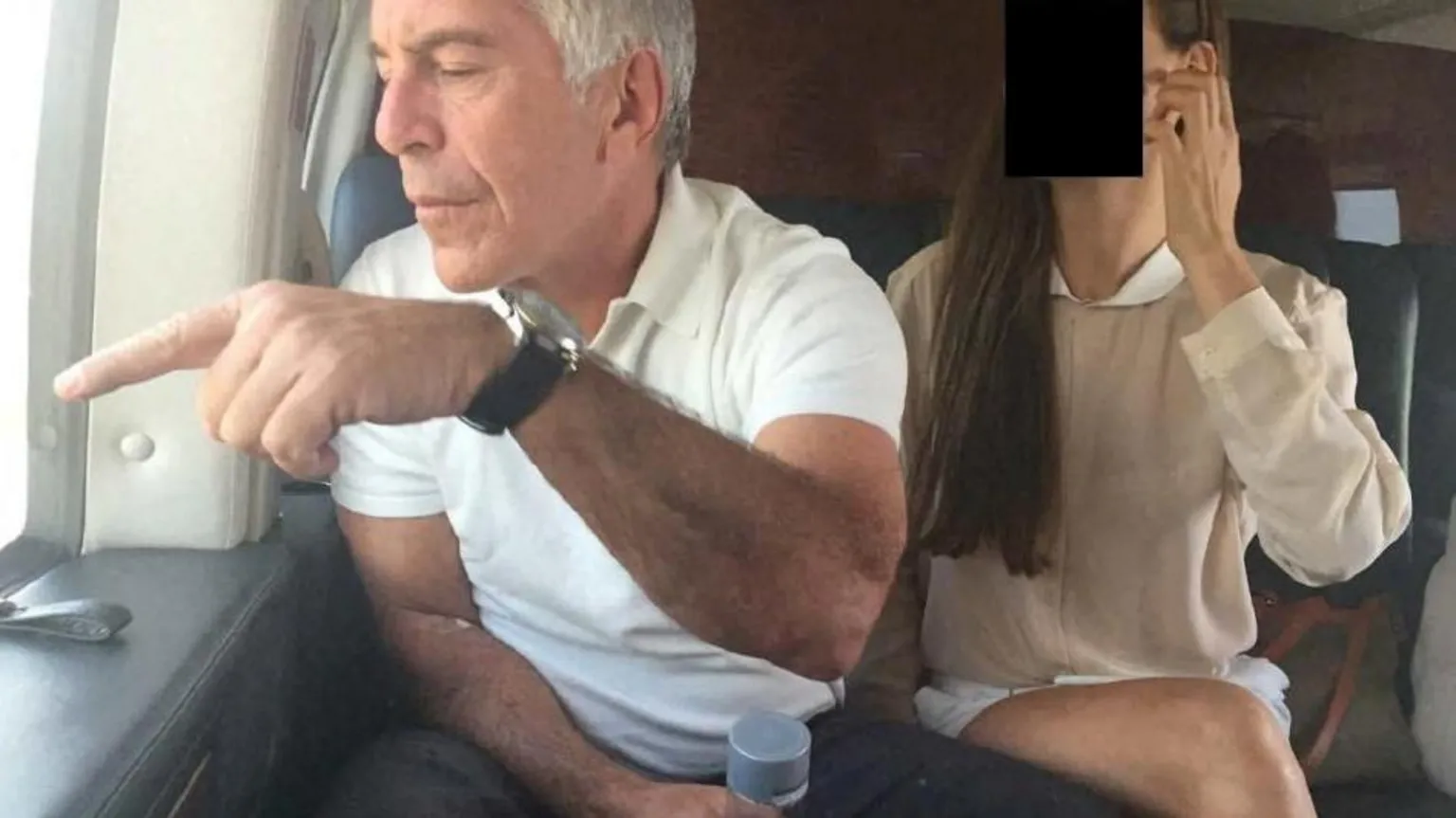
The US Department of Justice has taken down thousands of Jeffrey Epstein-related files after survivors said the release revealed their private identities, sparking outrage and concern for their safety.
The files, published last Friday under a congressional order, included sensitive details such as names, email addresses, private financial information, and explicit images. Lawyers representing nearly 100 victims said the lack of proper redactions exposed their clients to harm and “turned upside down” their lives.
Survivors issued a statement describing the release as “outrageous” and emphasized that they should not be “named, scrutinized and retraumatized.” The DOJ confirmed it had removed all flagged documents and said the errors were due to “technical or human error.”
In a letter submitted to a federal judge on Monday, the DOJ said: “All documents requested by victims or counsel to be removed by yesterday evening have been removed for further redaction.”
The department added that it is continuing to review new requests and is checking other files that may need additional redaction. It said a “substantial number” of documents have already been removed after being independently identified.
The publication followed a law passed by Congress requiring the DOJ to make Epstein-related records public while redacting information that could identify victims.
However, two lawyers representing survivors, Brittany Henderson and Brad Edwards, filed a motion asking a federal judge to take down the website hosting the files. They described the release as “the single most egregious violation of victim privacy in one day in United States history.”
In their filing, the lawyers wrote that there was “an unfolding emergency that requires immediate judicial intervention” because the DOJ had failed to remove victims’ names and other personal information “in thousands of instances.”
Several survivors also contributed statements, with one calling the release “life-threatening” and another revealing she received death threats after her private banking details were disclosed.
Annie Farmer, a survivor, told the BBC on Tuesday: “It's hard to focus on the new information that has been brought to light because of how much damage the DOJ has done by exposing survivors in this way.” Lisa Phillips, another victim, added: “The DOJ has violated all three of our requirements. Number one, many documents still haven't been disclosed. Number two, the date set for release has long passed. And number three, DOJ released the names of many of the survivors.” She said: “We feel like they're playing some games with us but we're not going to stop fighting.”
Gloria Allred, a lawyer for several survivors, said the latest release revealed names of victims who had never been publicly identified before. “In some cases... they have a line through the names but you can still read the names,” she said. “In other cases, they've shown photos of victims - survivors who have never done a public interview, never given their name publicly.”
A DOJ spokesperson told CBS, the BBC’s US partner, that the department “takes victim protection very seriously and has redacted thousands of victim names in the millions of published pages to protect the innocent.” They said the department is “working around the clock to fix the issue” and noted that only “0.1% of released pages” contained unredacted information that could identify victims.
Since last year, millions of Epstein-related documents have been released following a law requiring public disclosure. The latest batch included three million pages, 180,000 images, and 2,000 videos, released six weeks after the DOJ missed an earlier deadline mandated by Congress and signed into law by President Donald Trump.
Jeffrey Epstein died in a New York jail cell on August 10, 2019, while awaiting trial on sex trafficking charges.































Comments
Sign in with Google to comment, reply, and like comments.
Continue with Google